
SOLSTEO
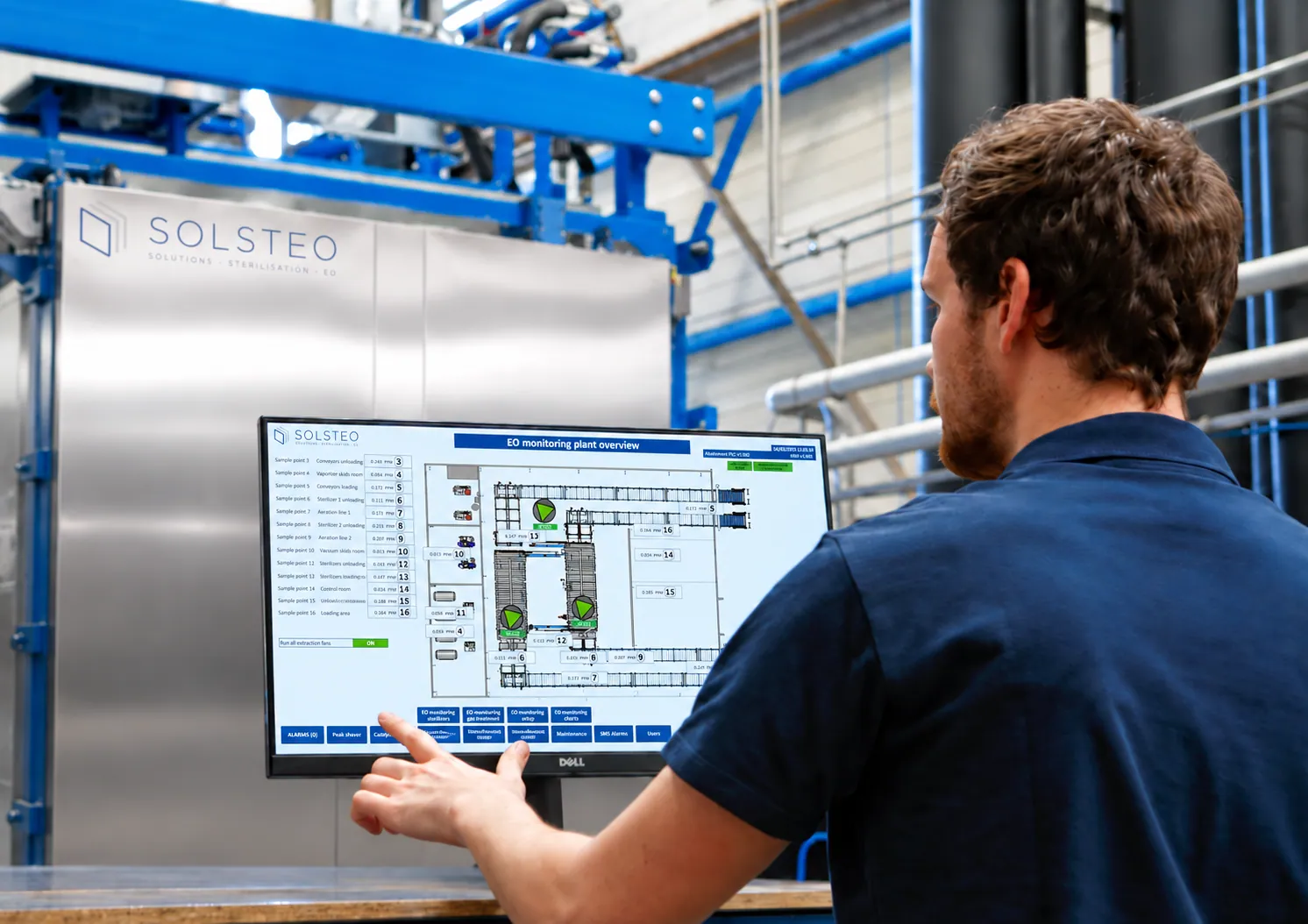
Operator supervising ethylene oxide monitoring on a SCADA screen

Monitoring Ethylene Oxide in sterilization facilities: safety first

SOLSTEO offers comprehensive EO detection and monitoring solutions to protect operators, safeguard the environment, ensure regulatory compliance and secure sterilization facilities around the clock.

Understanding regulatory requirements for a safe working environment

Monitoring ethylene oxide in the workplace is essential for maintaining a safe environment in sterilization facilities. This involves installing detection systems in areas where a risk of EO presence exists within your plant. Monitoring solutions are adapted to every risk area:

01

Occupational Health

Discover more

Occupational Health

Precise measurement of low EO concentrations to comply with international exposure limits, ensuring long-term worker safety and regulatory compliance.

02

Safety Leak Detection

Discover more

Safety Leak Detection

Immediate detection of EO gas leaks in technical areas or around the sterilizer, triggering automatic safety protocols to protect personnel and equipment.

03

Fugitive Emissions

Discover more

Fugitive Emissions

Continuous monitoring of diffuse EO emissions across the facility to identify and control uncaptured releases, supporting environmental compliance and emission reporting.

SOLSTEO advanced EO detection technologies

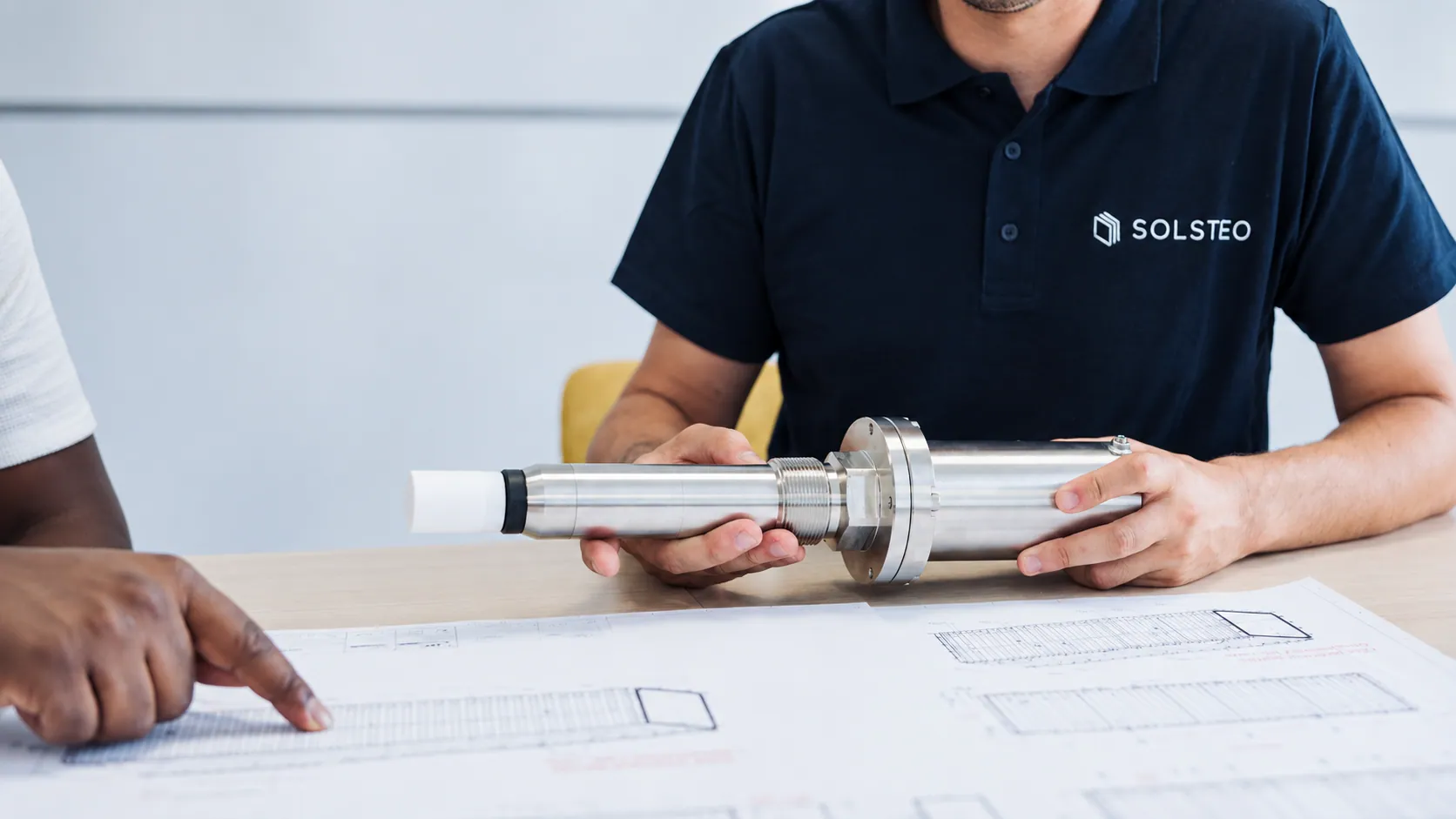
SOLSTEO offers independent EO monitoring solutions that meet your specific detection needs and objectives. We leverage a combination of technologies, ranging from proven, established solutions, to innovative, cutting-edge ones.

Electro-chemical detectors

Reliable and cost-effective solution. EC cells are mostly used as part of the primary safety layer and ideally combined with air extraction ventilation systems. Their limitation lies in their low selectivity and their drift over time.

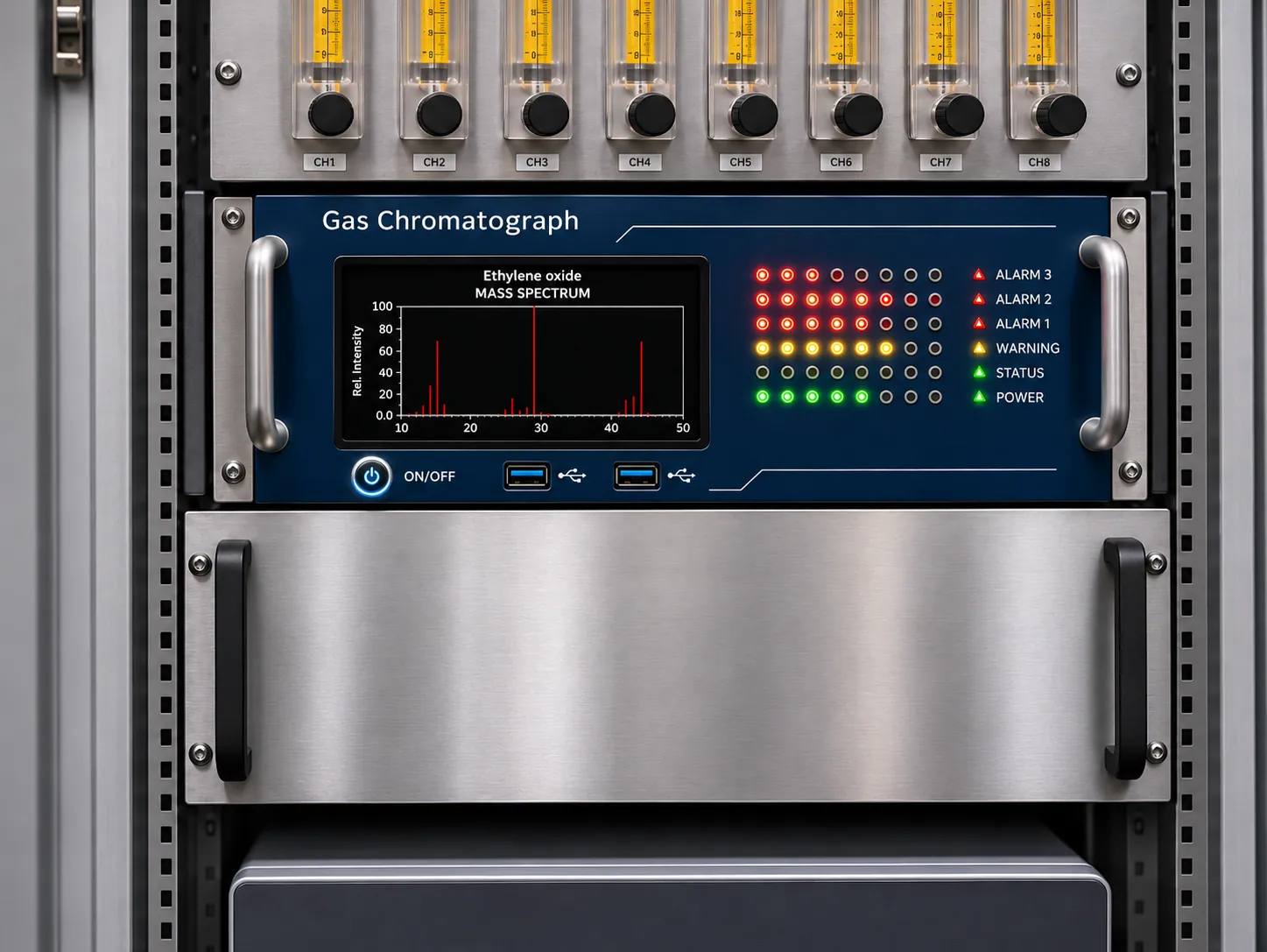
Gas chromatography

Offers the highest level of selectivity and precision for complex environments where multiple gas species may be present. Can detect EO at sub-ppm levels.

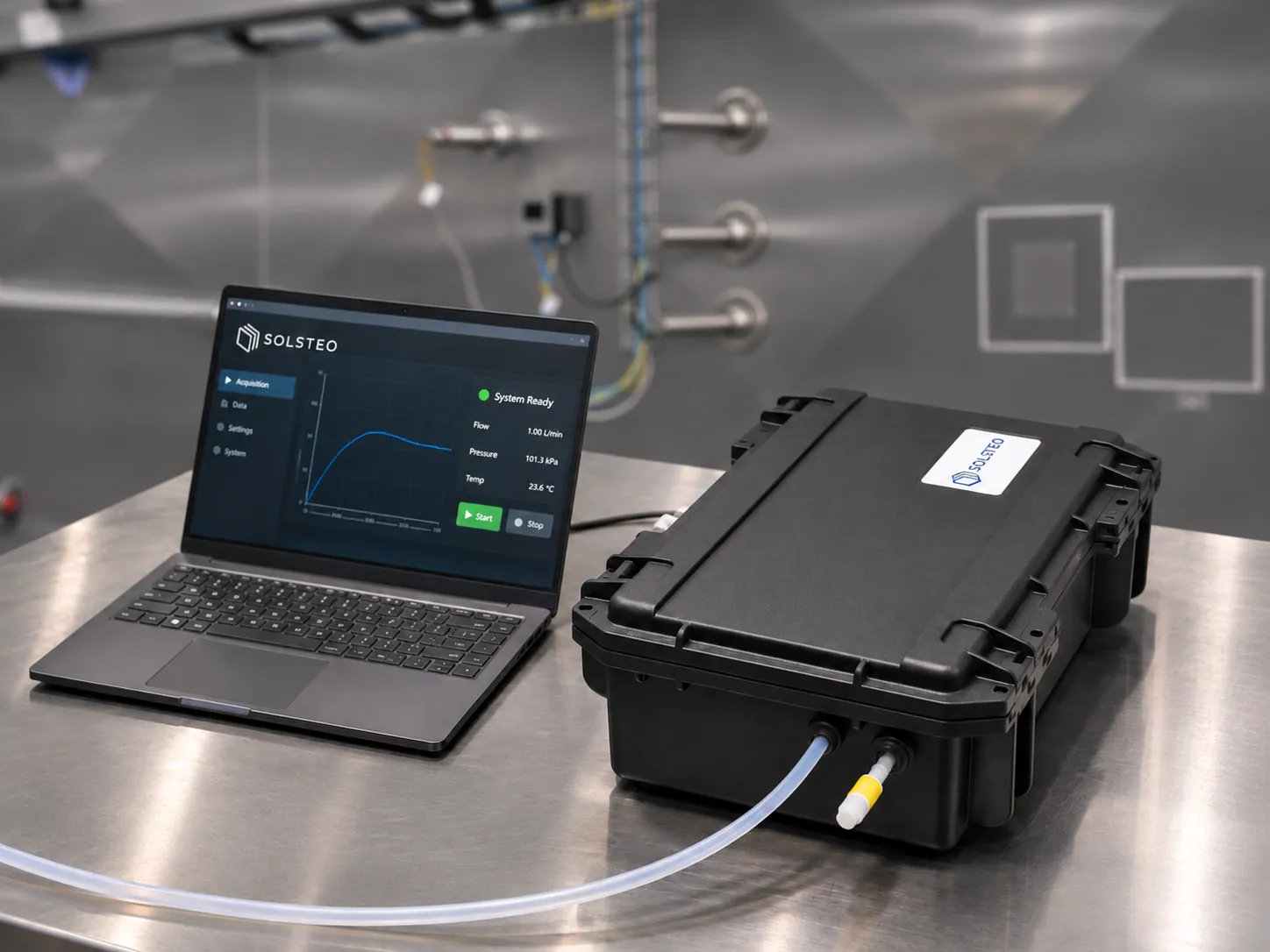
MIR analyzer

We are the official European distributor of this analyzer. This forerunner position rests on our ability to build technical partnerships with other pioneers in new-tech environments.
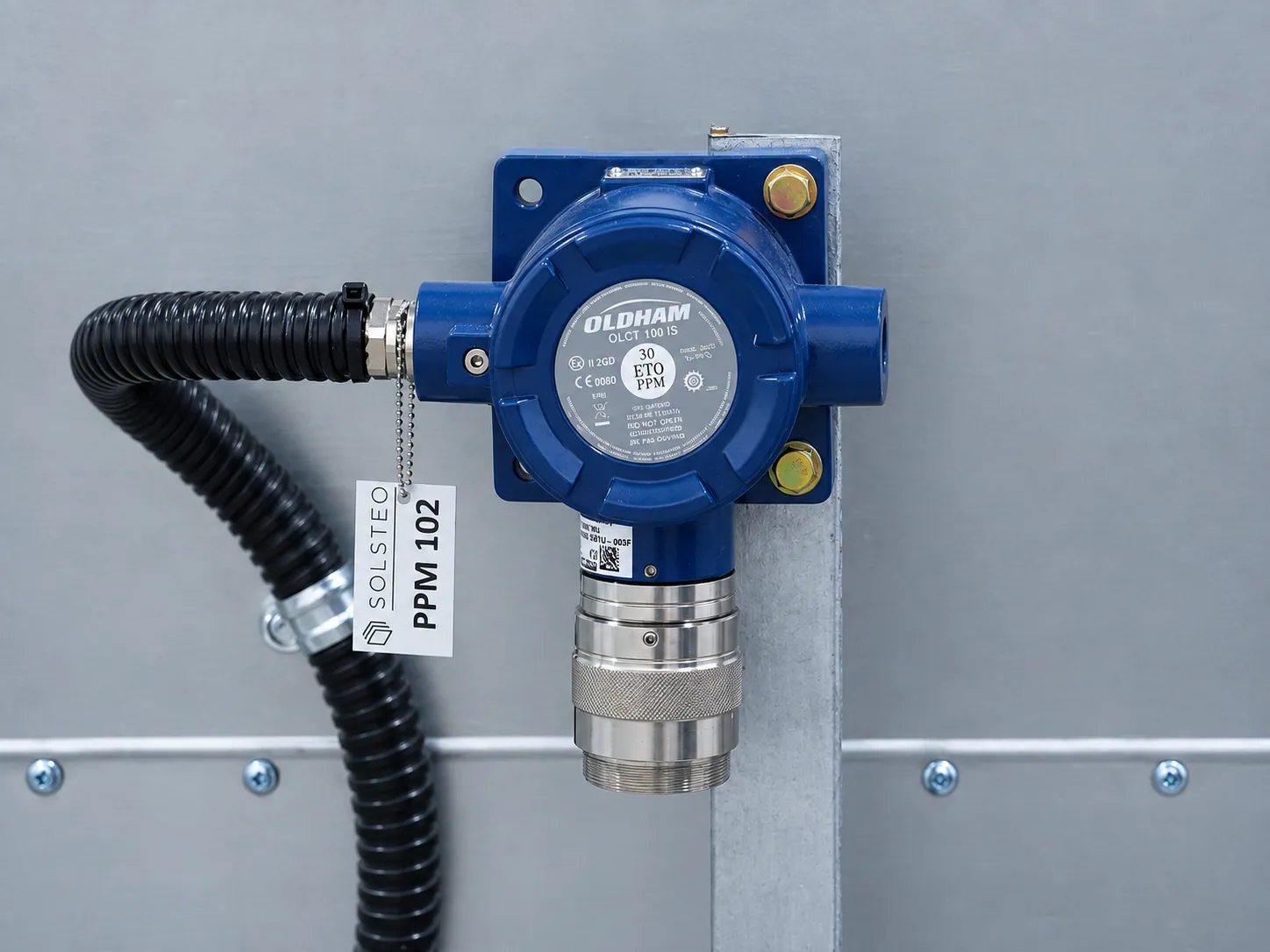
Electrochemical ethylene oxide detector cell installed on a SOLSTEO sterilizerSOLSTEO gas chromatography analyzer rack with flow meters and measurement screenSOLSTEO portable MIR analyzer connected to a laptop on a laboratory bench

© SOLSTEO, EC cell, Asia

Frequently Asked Questions about EO monitoring

Why is EO monitoring important?
Ethylene oxide is a highly effective sterilant gas used to sterilize medical devices. But it is also toxic and carcinogenic. Monitoring EO in your facilities is therefore essential: To protect operators while ensuring compliance with local regulations. There’s a clear intention from regulators to lower acceptable levels, though such willingness is limited by industrial solutions’ reliability and performance - Best Available Technology (BAT). To improve operator safety in facilities (e.g. triggering extraction fans or alarms if EO thresholds are reached) To prove EO is properly disposed of and to meet local environmental regulations (e.g. German TA Luft)
Where are EO emissions most likely to occur in my facility?
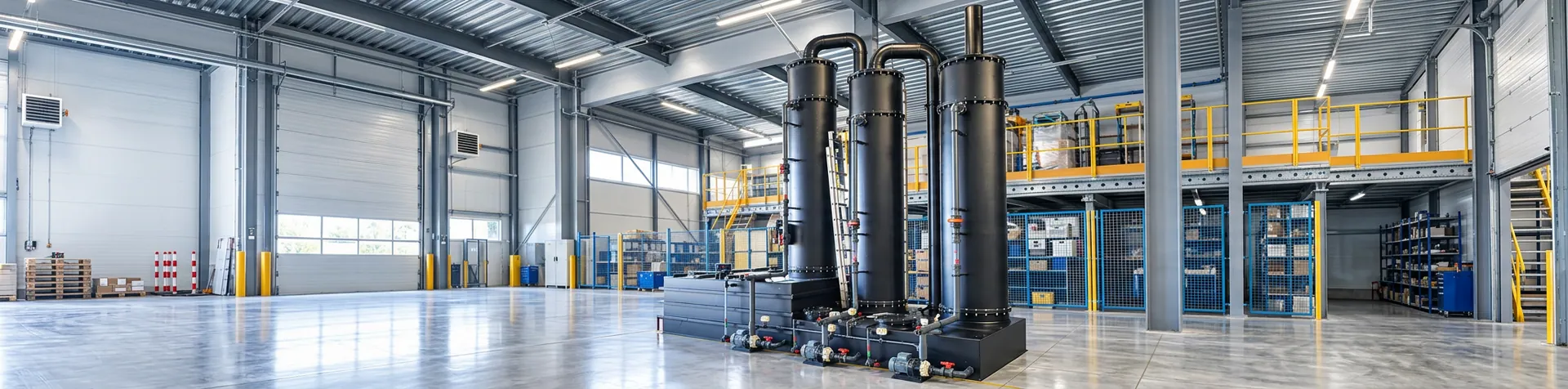
EO gas emissions can occur at different times of your process and in different areas of a sterilization facility. Fugitive emissions are very low concentration releases that happen during normal operation of an EO sterilization process. They can be found at product transfer points (e.g. unloading the sterilizer or aeration room), during EO cylinder replacement, and in the finished goods storage areas. Accidental emissions result from equipment failure or process malfunction (pipe or component leakage). They are most likely to occur around the technical skids and piping, around the EO gas abatement system and, depending on the type of process, around the sterilizer. Environmental emissions correspond to residual EO released after gas treatment. They are monitored at the exhaust stack to verify the performance of the EO abatement system and ensure compliance with environmental regulations.
Can a new EO monitoring system be integrated into an existing installation?
Yes, it is possible. SOLSTEO can add standalone EO monitoring systems to an existing sterilization facility. We highly recommend that users implement strict occupational health protocols as this is essential to ensuring the long-term viability of your operations.

Are your staff and installation exposed to risks?

Our experts can assess your risks and provide appropriate solutions.