
Industrial Ethylene Oxide gas abatement systems: Catalytic Oxidizers
SOLSTEO designs state-of-the-art catalytic oxidizers engineered to meet the most stringent environmental regulations. Catalytic oxidizers deliver exceptional EO abatement efficiency, 24/7 operation and high system availability.
How do catalytic oxidizers work?Clean air transformation
Catalytic oxidation is a highly efficient process in which hazardous organic compounds, such as EO, are oxidized through an industrial grade catalyst to become harmless inorganic compounds: carbon dioxide (CO₂) and water vapor (H₂O)
Particularly suited for large airflows and continuous operation, it is essential for high-capacity facilities.
Ethylene Oxide (EO)
Industrial Catalyst
CO₂ + H₂O (Clean Air)
Why choose a SOLSTEO Catalytic Oxidizer?
SOLSTEO catalytic oxidizers are engineered to deliver exceptional EO destruction efficiency while supporting the continuous operation of industrial sterilization facilities.
High Performance
Recognized as the most effective technology to date for disposal of all EO sources of a sterilization process.
Continuous 24/7 Operation
Engineered for high availability and long service life, SOLSTEO catalytic oxidizers sustain uninterrupted, round-the-clock operation with minimal maintenance downtime.
Energy Efficient
Advanced catalyst technology and optimized thermal management help reduce energy consumption while maintaining high treatment performance.
Environmental Compliance
Designed to meet the most demanding environmental requirements, including TA-Luft and other international emission standards such as OSHA/EPA.
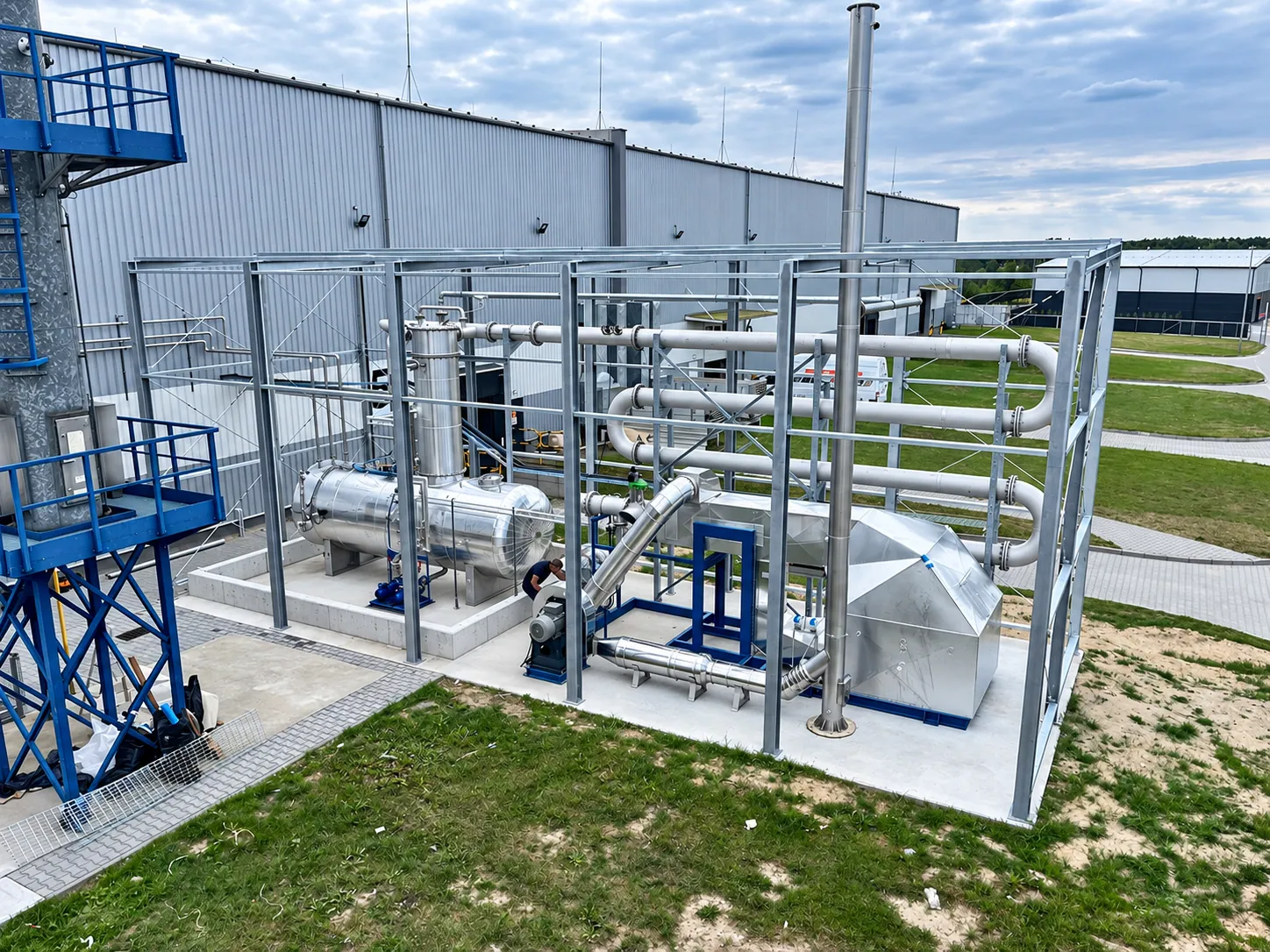
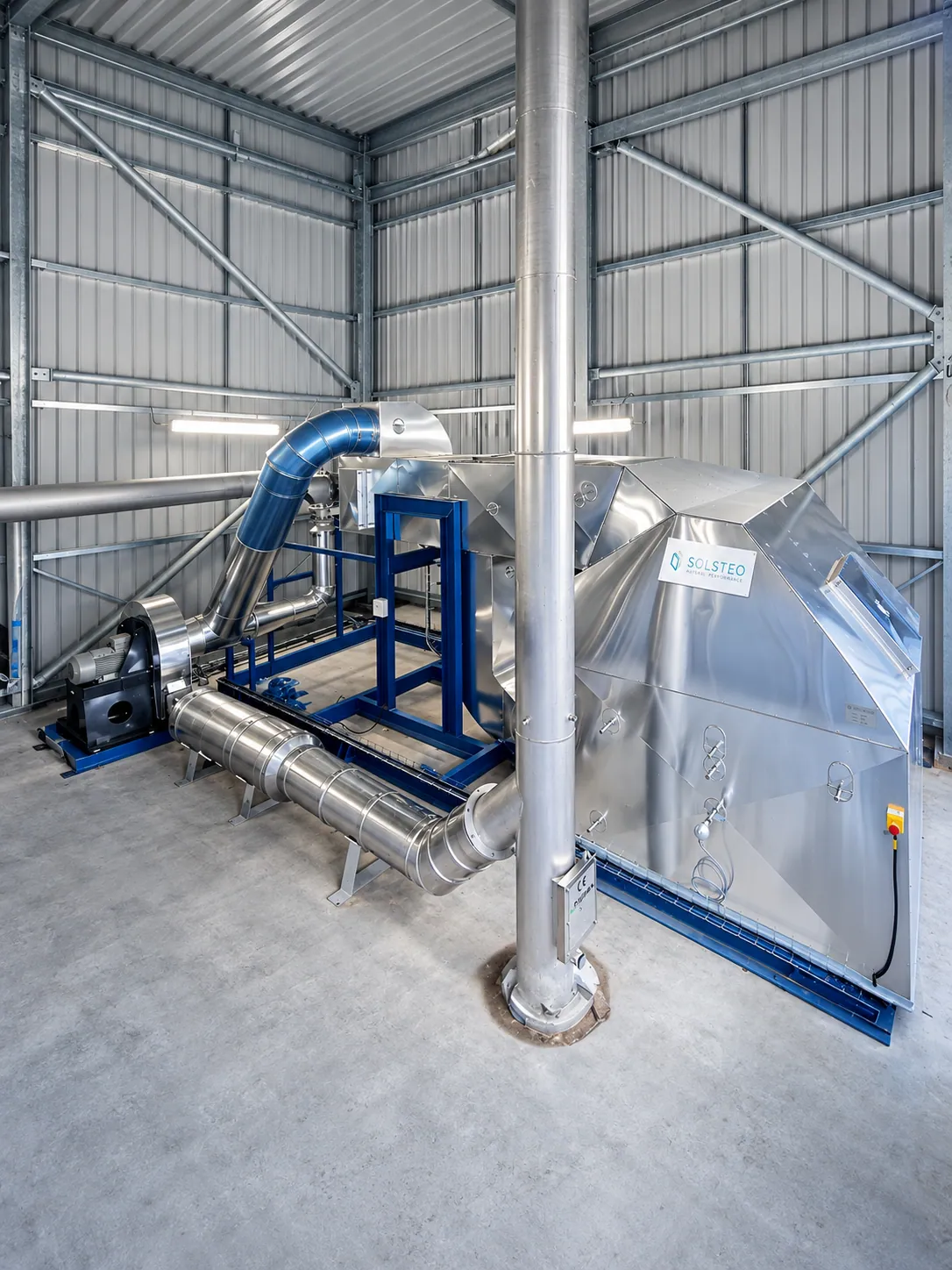
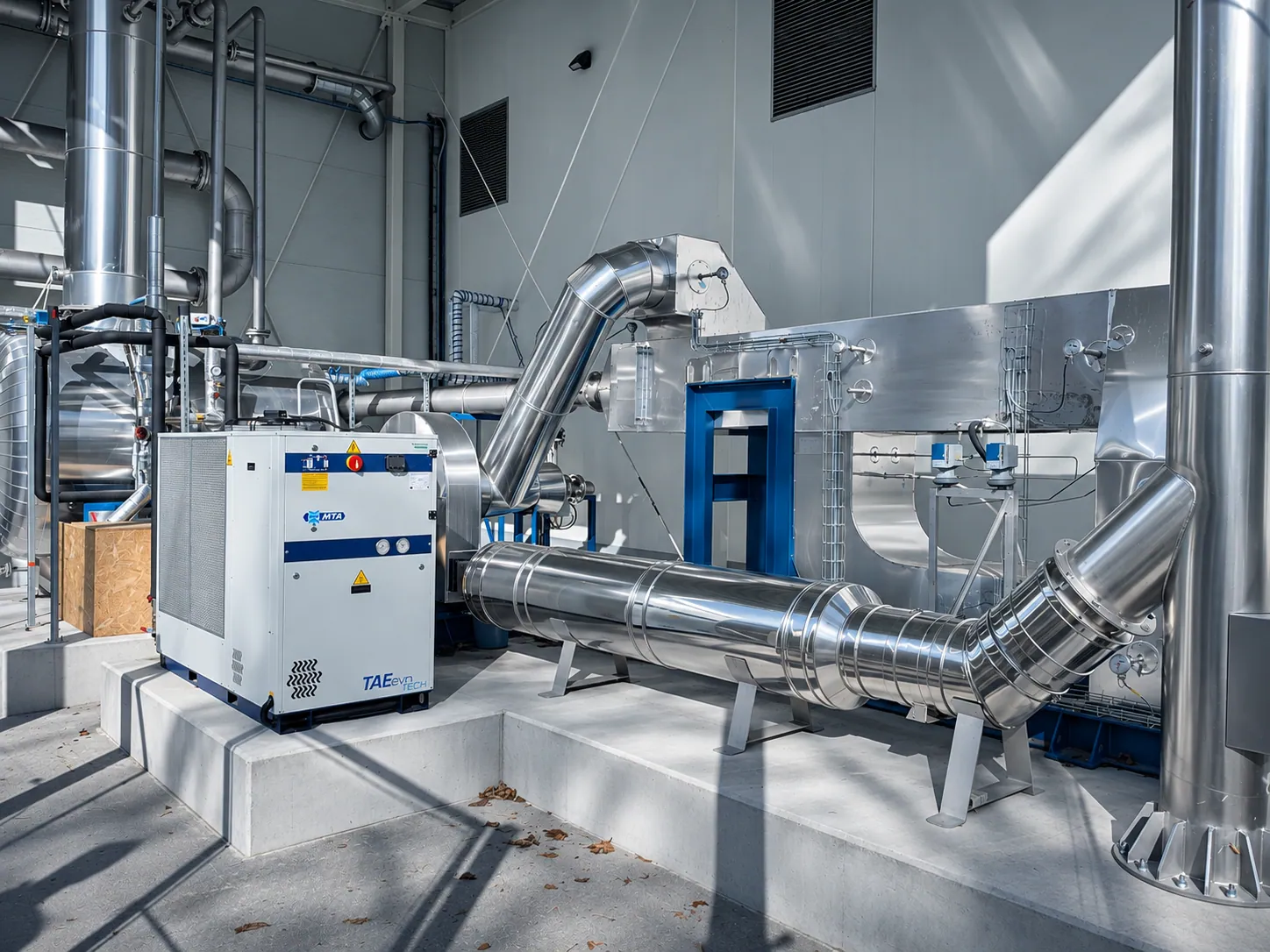
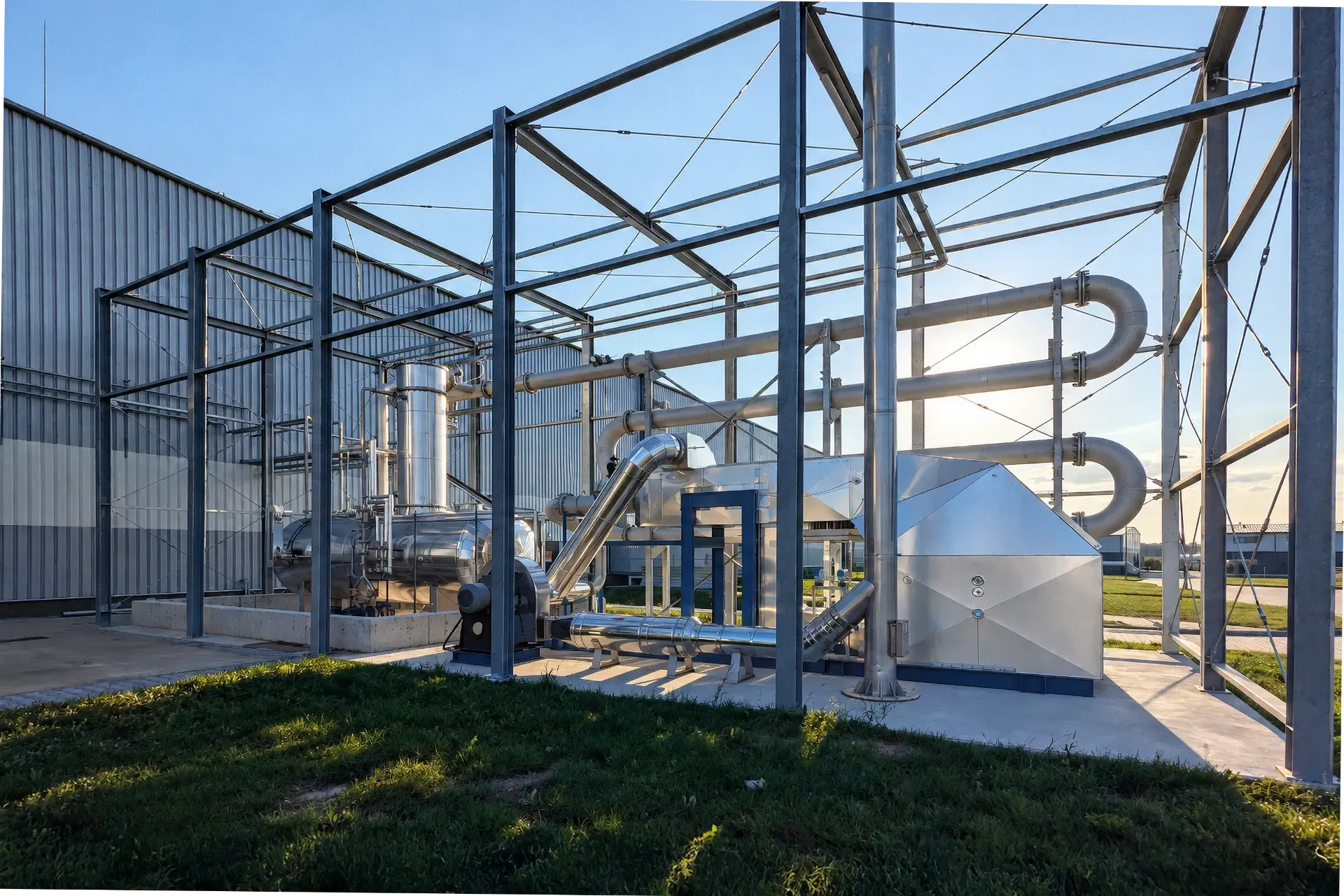
© SOLSTEO, Catalytic oxidizer, Europe
Designed for high-capacity EO abatement
Combining exceptional EO destruction efficiency, continuous operation and environmental compliance, catalytic oxidizers are a key component of large scale EO sterilization infrastructures. SOLSTEO catalytic oxidizers are engineered to treat large volumes of ethylene oxide emissions with consistent and reliable performance. They can simultaneously handle multiple EO emission sources across the sterilization process, including:
Designed for high-capacity EO abatement
Several vacuum pumps from one or multiple sterilization lines
Primary and secondary aeration rooms (ventilation)
Specific extraction systems (hood, back-venting, occupational health safety extraction systems, etc.)
Frequently Asked Questions about Catalytic oxidizers
What is the difference between catalytic and thermal oxidizers?
What are the differences between a catalytic oxidizer and a scrubber?
| Technical information | Catalytic oxidizer | Scrubber |
|---|---|---|
| Airflow from vacuum pumps | Yes | Yes |
| Airflow from aeration rooms | Yes | No (except small flow) |
| Operation | Permanent with continuous controlled EO inlet flow | Intermittent or permanent (easy to start/stop) |
| Efficiency | Very high efficiency <1ppm to 0.1ppm | Depends on the number of processing stages. Single column: EO peaks during first EO evacuation. High-efficiency multi-stages process @ <1ppm |
| By-product | CO₂, H₂O | Ethylene Glycol (chemical reaction of EO in acid water) |
| Media replacement | Replace catalytic bed every 5 to 7 years depending on usage. | Replace water-acid-glycol media when saturated (every 6 to 12 months). Must be disposed of as industrial waste. Refill system with fresh mix of water and sulfuric acid. |
| Energy required | Electricity or gas for initial heating. Auto-thermal operation in optimal processing conditions. | Electricity. No significant power supply required. |